
Who We Are

We Exist to End Scripture Poverty Among the Deaf Worldwide
Our Mission
Transforming lives through Deaf-driven innovative approaches to Bible translation, thereby empowering Deaf persons to utilize and share God’s Message in their natural language.
Our Vision
Deaf Pathway Global is working to produce the New Testament (7,957 verses) in multiple sign languages by 2033.
Organizational Values
Christ Centered Relationships
Deaf-driven Bible Translation
Deaf Heart Language
Deaf UUPG Engagement
Deaf Biblically Based Churches
Team Values
Sacrificial and Loving Service
Thanksgiving and Praise
Unity and Love
Transparency
Deaf Pathway Global: Origins and Growth
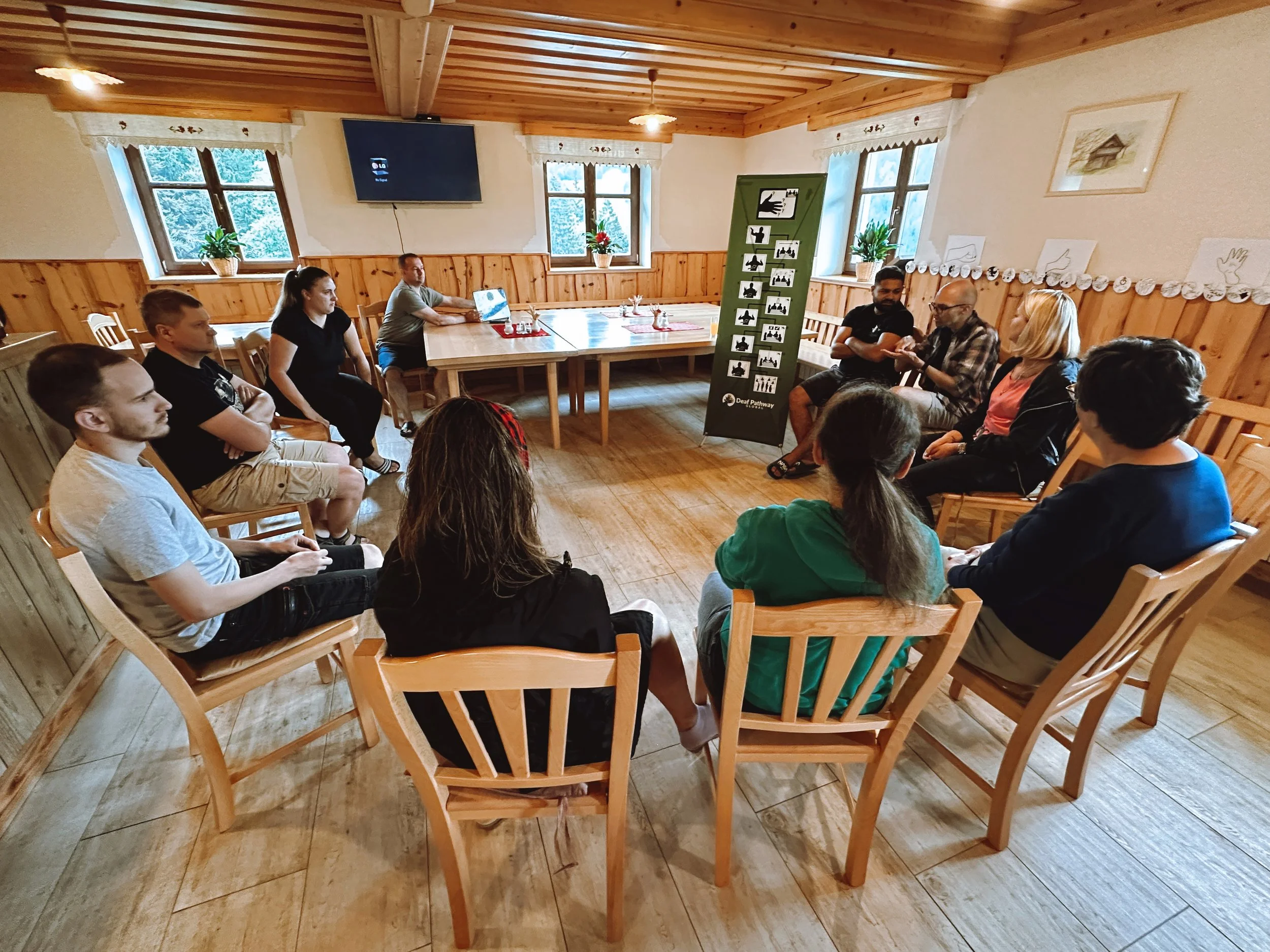
In response, Mike Glenn (BBC), Scott Harris (BBC), Betty Stirsman (BBDC), Aric Randolph (BBDC), John Brady (IMB), and Vesta Sauter (IMB) began discussing how to develop ASL-based Bible stories that could encourage and sustain church multiplication within the American Deaf community. They agreed on an approach similar to one pioneered in Eastern Europe, where Deaf individuals from multiple countries collaborated to produce signed Scripture stories, organize them into mnemonic narrative structures, record them on video, and distribute them within their respective language communities.
Around the same time, the first cohort of Deaf Theological Center (DTC) students and faculty faced a major challenge: it was nearly impossible to teach courses such as “Survey of the Old Testament” when students did not yet have access to Old Testament content in their heart language, natural sign language.
In response, students and teachers began crafting Bible stories to support DTC coursework. That experience not only strengthened learning within DTC courses but also highlighted the need for true translation of Scripture passages and stories into ASL and other sign languages. It further encouraged leaders at IMB and BBC to believe that the story-crafting process could be refined into a scalable method for sign-language Bible translation.
Following these discussions and early developments, BBC, partnering with BBDC, launched an organization called DeafGo in 2014 to provide ASL-based Bible stories and resources for evangelism, discipleship, and church development within the Deaf community. As collaboration among BBC, BBDC, and IMB leadership continued to deepen, they increasingly concluded that the work initiated through DeafGo should expand globally.
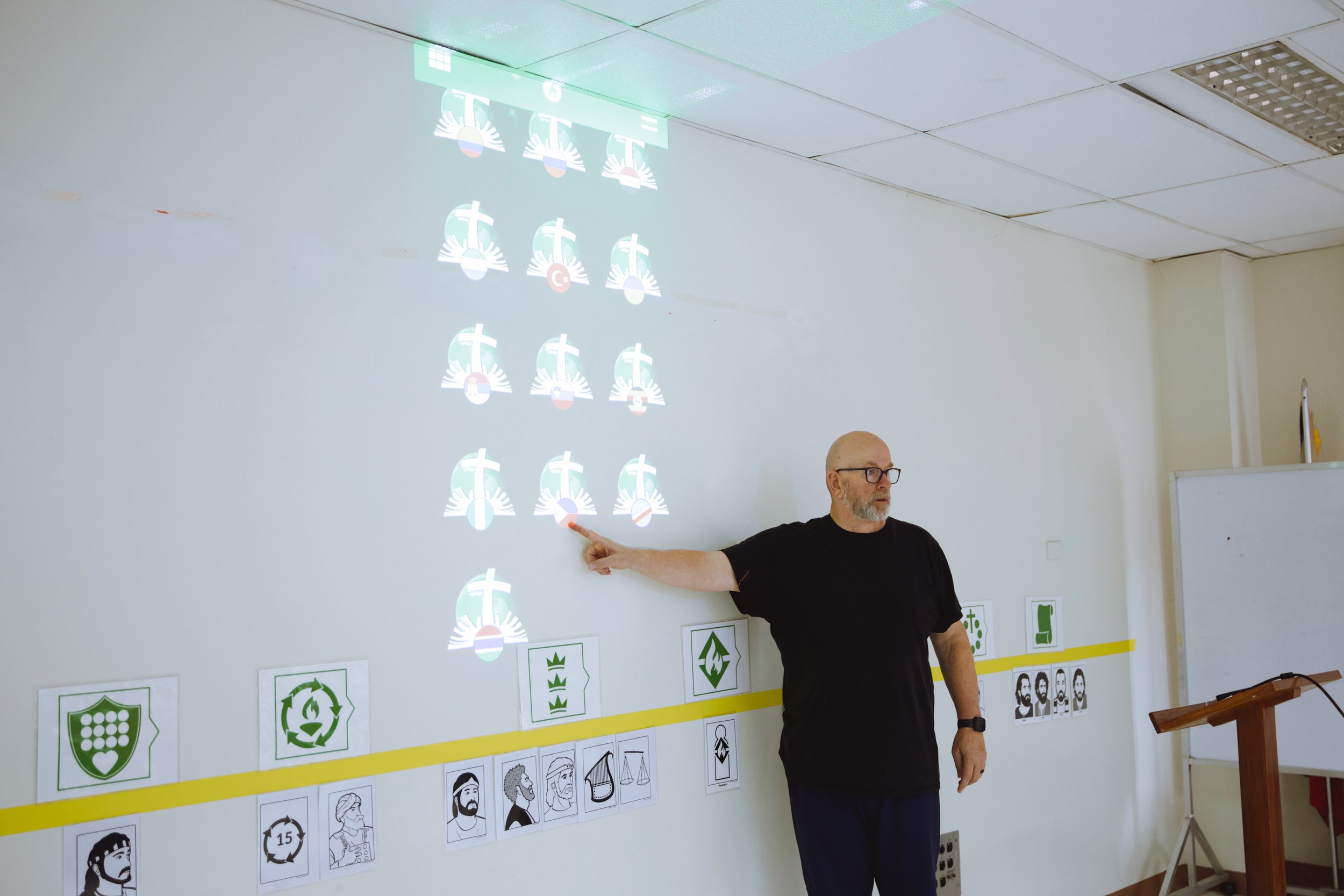
The Foreign Mission Board, the precursor to the IMB, began outreach to the global Deaf community in 1909 when a Deaf missionary, Myrtle Morris, was sent to Deaf Cubans. For decades, however, the IMB’s mission model viewed Deaf communities primarily through the lens of “disability outreach,” rather than recognizing Deaf people as distinct cultural-linguistic communities requiring tailored strategies.
This began to change in the 1990s, when missionaries such as Vesta Sauter pioneered a cultural-linguistic church-planting initiative among Deaf communities in Eastern Europe. Recognizing the fruitfulness of this approach, the IMB refined its strategy and, in 2009, formally established the Deaf Affinity as one of its nine global affinity groups.
BBC’s involvement with the Deaf community in Nashville began through the work of Betty Stirsman, who recognized the need for Deaf individuals to worship in their heart language, American Sign Language (ASL). Under Pastor Bill Wilson’s leadership, she launched an interpreted ministry in 1984. Eleven years later, with Pastor Mike Glenn’s permission, this ministry became Brentwood Baptist Deaf Church (BBDC), offering services conducted entirely in ASL.
As more Deaf missionaries joined the IMB and gained field experience, a troubling pattern became increasingly clear: at the end of each term of service, they were leaving behind Bibleless peoples. Deaf communities around the world often lacked access to Scripture in their heart sign languages, and when missionaries completed their assignments, they had little they could leave behind to provide ongoing spiritual nourishment or support.
BBC and BBDC leaders observed a similar reality among their Deaf attendees and within the wider Deaf community in Nashville and across the United States. They recognized that Deaf-led worship services alone were not enough; the Deaf community also needed Scripture presented in its heart language. Existing ASL Bible translations often followed a rigid, verse-by-verse structure shaped by English grammar and frequently lacked the sequential, narrative quality intrinsic to ASL.
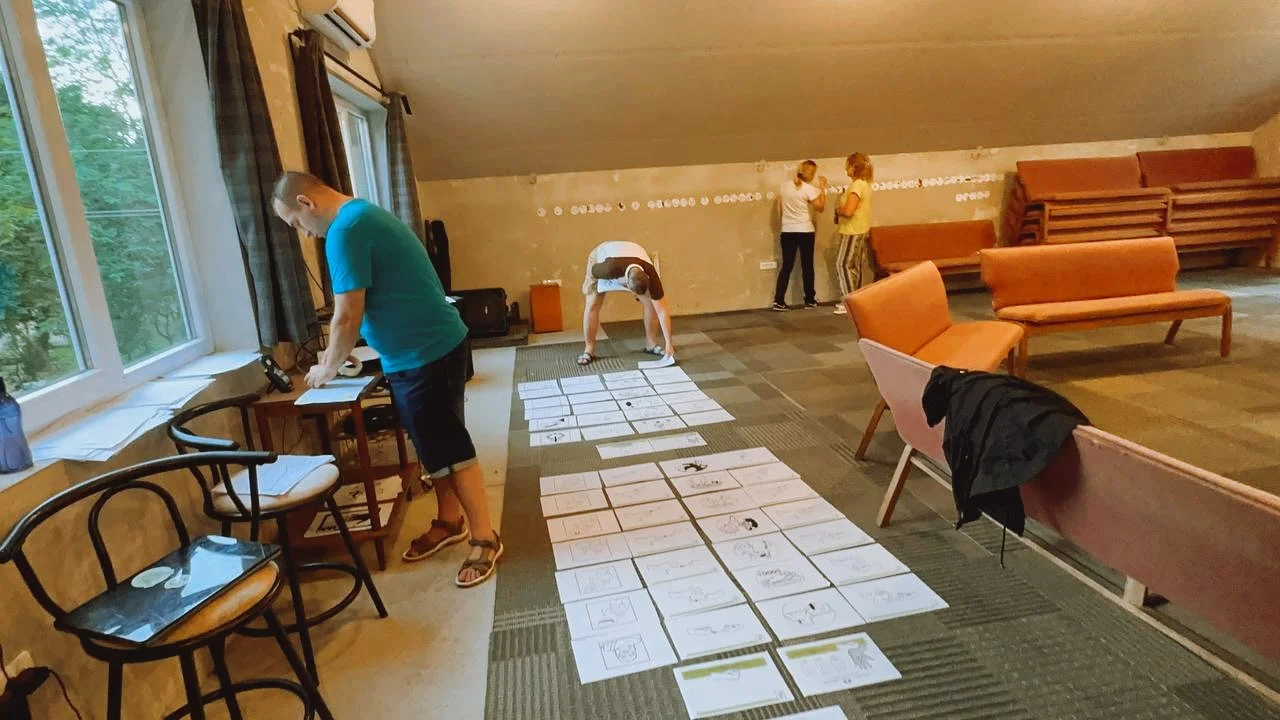
This shared vision ultimately led to the formation of DeafWay Global, doing business as Deaf Pathway Global, which received its 501(c)(3) designation in December 2020. One reason DPG was organized as a separately chartered nonprofit was to secure ownership of numerous and valuable sign-language intellectual properties (including icons) developed by IMB and Brentwood Baptist Church, both independently and through various collaborative efforts.
By late 2022, more than 20 languages were available on the Deaf Pathway Bible app. That number has continued to grow, reaching 28 languages as of 2025, with additional languages on the horizon.
Our Beliefs
Deaf Pathway Global’s board has adopted the Lausanne Covenant as its guiding statement of belief and practice.
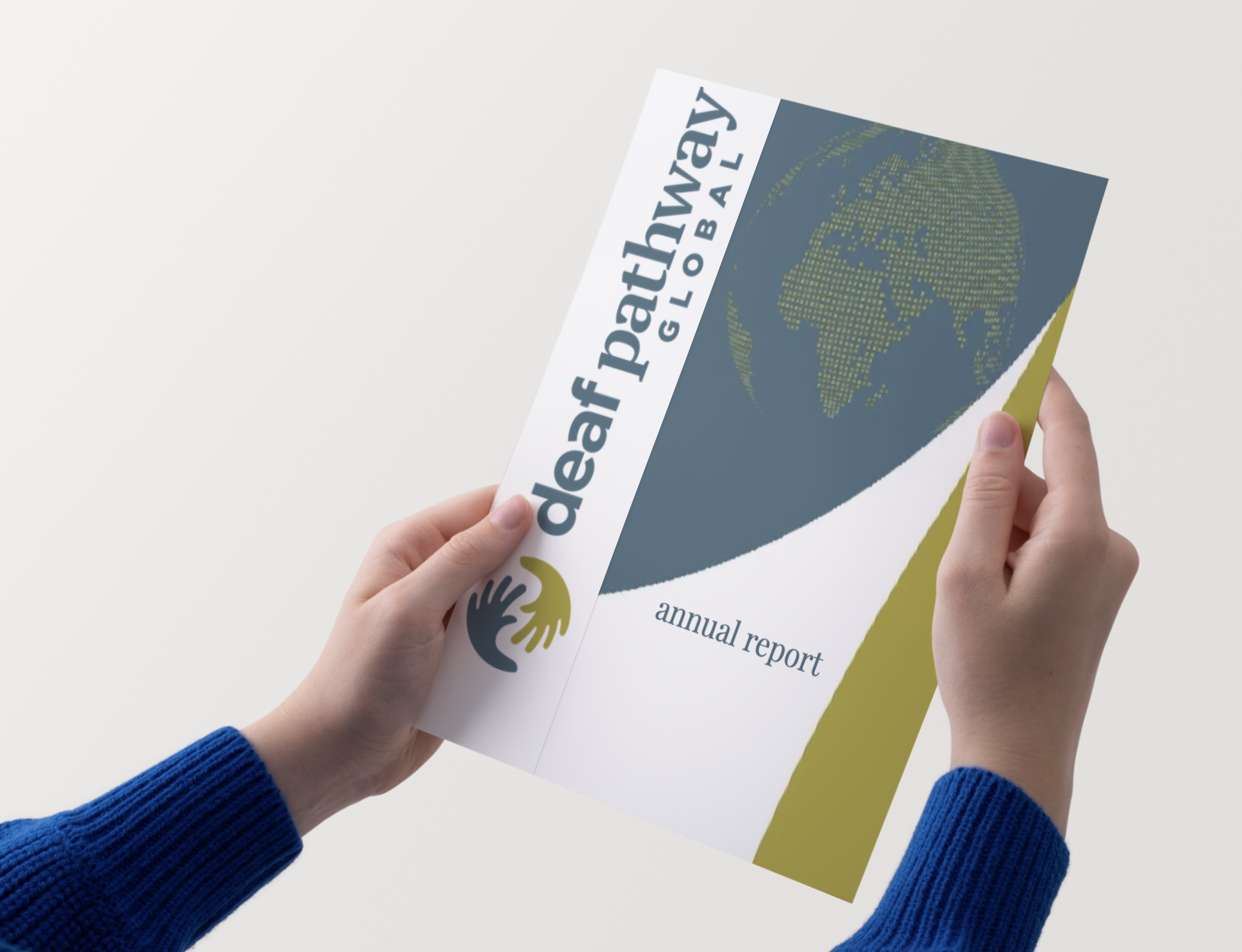
Annual Reports
Deaf Pathway is grateful for your prayers, service and financial gifts which have accelerated Bible translation among the Deaf globally. We seek to steward well the funds that are entrusted to us and provide annually a reporting of the progress of our work.
We need your help to get there.
We believe in transparency. Your money goes directly to translation projects, app development, and distribution.
Equipment for Translation Teams
App Hosting & Distribution
Deaf Translator Training